
RE-SKIN
Our skin is the largest organ in the body and its primary function is to protect. The skin on our feet is as important as the face and body. It is often very much neglected as our feet are covered up and out of sight. We have two layers in our skin- the top layer called the epidermis and the bottom layer called the dermis. The top layer is where hard skin develops on feet and this is the area we debride with a scalpel. It is important to keep this layer as protected as much as possible as it’s s the protective barrier for the feet. We maintain this by using moisturiser as well.
Factors that affect the skin on the feet include: Age, footwear, sports, smoking, Diabetes, Vascular and Heart conditions, Thyroid, Dermatitis and skin conditions.
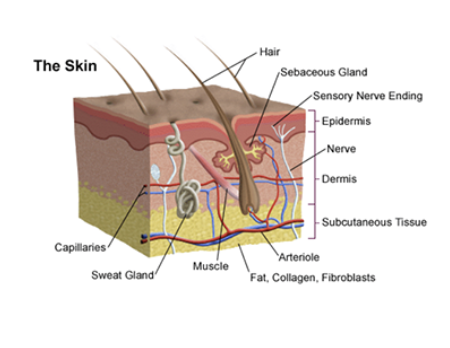
In the face and body, our skin is known to renew every 28 days. As we age, the regeneration process slows down and our skin can be less responsive to daily care. The barrier of the skin becomes compromised and certain conditions can occur. Everyday factors are a daily assault on our skin resulting in dull, rough, unrenewed skin.
Factors that affect the skin on our face: Include UV exposure, environmental mental aggressors like pollution, our lifestyle (smoking), stress and Diet. Why is skin regeneration important? As our skin renewal cycle slows down, dead cells build up on the surface of the skin. This can lead to a sallow, dull complexion and a rough skin texture that can accentuate the appearance of fine lines and wrinkles. A buildup of dead skin cells can also clog pores leading to acne breakouts, as well as impair the ability of skincare serums and treatments to be absorbed.
Here is a list of common complaints which affect the skin on our face:
Dry skin is unable to retain water, it lacks oil. It looks flaky, sensitive and dull. Your skin is prone to Eczema or dermatitis. Often the skin on their whole body is affected.
Dehydrated skin lacks water but drinking water isn’t enough to treat it. It can occur with changes in the environment like heating or air-con. It looks dull and can be sensitive, it can be patchy. Dehydrated skin can occur in patients with oily skin or acne-prone. People are prone to wrinkles, dark circles and hyperpigmentation.
Acne occurs with an overproduction of oil. The skin looks inflamed with clogged pores and bacteria may be present on the skin. Scarring can occur from squeezing the spots.
Sensitive skin conditions like Rosacea and Eczema where the barrier has become compromised.
Hyperpigmentation can occur from an abnormal or uneven distribution of melanin. It can occur as a result of the sun known as age spots. It can appear in darker skin with post-inflammatory conditions like Acne, or as the result of hormones or certain medications.